








 Docker
An open platform for developing, shipping, and running applications in containers.
Overview
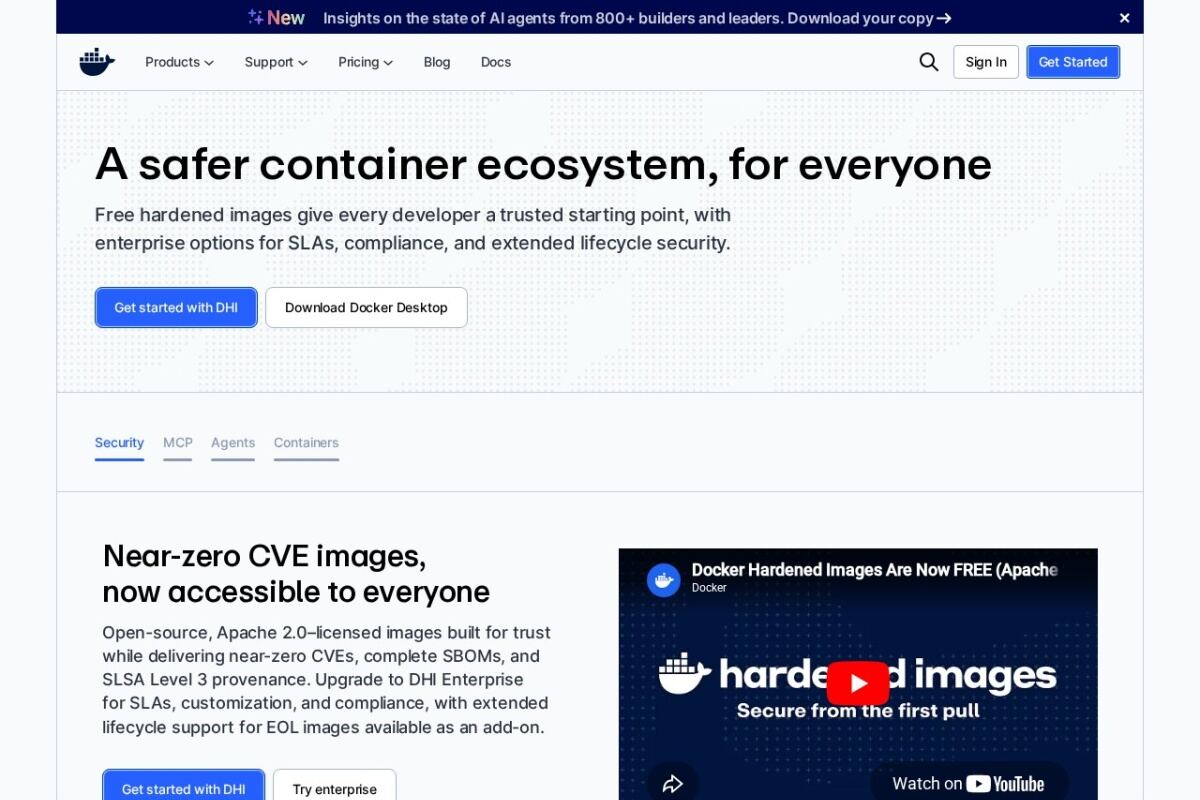
Docker is an open-source platform that enables developers to automate the deployment of applications inside lightweight, portable containers. These containers include everything the software needs to run, such as libraries, system tools, and code, ensuring that applications work seamlessly regardless of where they are deployed. Docker has revolutionized the industry by popularizing containerization as a standard for modern application delivery.
Technological Pillars
- Docker Engine: The runtime that builds and runs containers.
- Docker Hub: A massive registry for sharing and finding container images.
- Docker Desktop: An easy-to-install application for building and sharing containerized apps on Mac/Windows.
- Docker Compose: A tool for defining and running multi-container Docker applications.
- Isolation: Ensures that applications remain secure and independent of the underlying host.
Business Impact
By providing consistency between development, testing, and production environments, Docker significantly reduces 'it works on my machine' problems. It accelerates development cycles and optimizes resource utilization by allowing multiple containers to share the same OS kernel. Docker serves as the foundation for modern microservices architectures and cloud-native development strategies.





An open-source tool for building, changing, and versioning infrastructure safely.